8 Oct 2026
|
Mike Boland
AWE Talks: Entering the Age of Ambient Intelligence
Welcome back to AWE Talks, our series that revisits the best AWE conference sessions. With AWE USA recently concluded, there's a fresh batch of stage footage to keep us occupied for weeks.
We continue the action and insights this week with Meta's vision for how intelligence and eyewear will intersect. What are the opportunities at that intersection, and what are a few real-life examples?
See the summarized takeaways below, along with the full session video. Stay tuned for more video highlights each week and check out the full library of conference sessions on AWE's YouTube Channel.
Speakers
Anna Gordon, Senior Director of Product Marketing for Wearables Software, Meta
Kevin Lang, CEO & President, Agerpoint
Quinn Taber, Founder & CEO, Immerse
Thai Nguyen, Head of Venture and Innovation, Diverge, a Hensel Phelps Company
Key Takeaways & Analysis
- AI glasses are evolving from a wearable interface you actively command into an AI companion that continuously understands your context and proactively helps you.
- This is a central thesis and north star in Meta’s work with XR and AI wearables.
- The point where we now sit in this evolution is to ask questions to an AI assistant.
- But where we’re moving is to a place where AI understands what you're doing, anticipates needs, and acts on your behalf.
- It’s all about moving from wearable AI that’s reactive to that which is proactive... also known as agentic
- Elsewhere in the XR world, this is what Qualcomm calls Personal AI, and it stretches well beyond glasses into a constellation of devices that can gather that personal context.
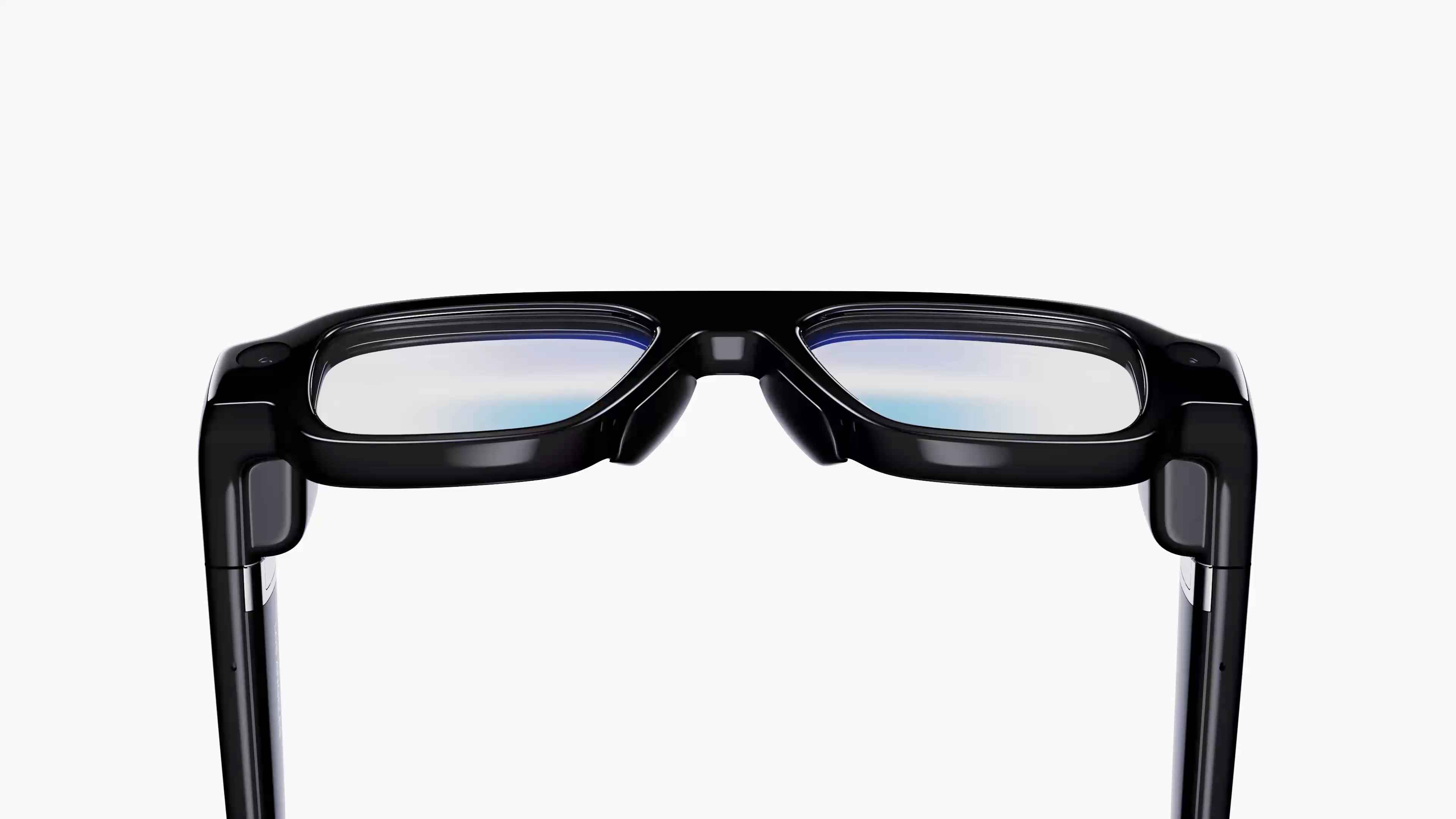
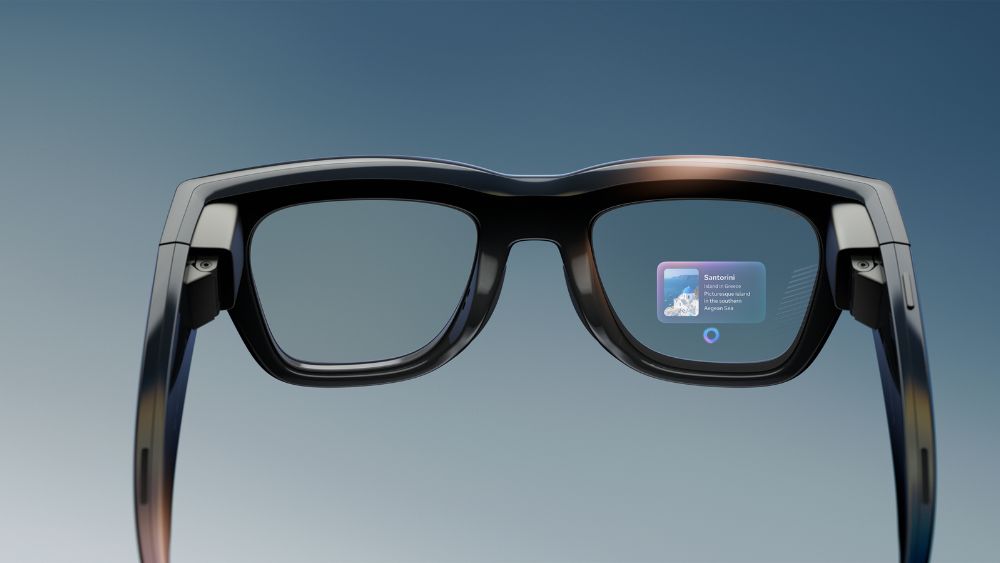
- But glasses are a valuable piece of that puzzle because they can combine vision, audio, location/context, hands-free interaction, and in some cases, visual displays
- Anna Gordon walks the walk while espousing these principles, as her own Meta Ray-Ban Display glasses simultaneously serve her as a personal teleprompter.
- This also embodies the classic adage that technology becomes less visible as it becomes more useful.
- As for real-life examples, Immerse offers line-of-sight language translation and language learning, while letting users stay immersed in the moment.
- Agerpoint meanwhile helps farmers and agronomists identify agricultural subjects (plants, insects, diseases, etc.) and use them for real-time decisions.
- Lastly, Diverge lets construction professionals get access to similar intelligence, such as fulfilling work orders, identifying problems, and recording work.
- Altogether, it’s about moving computing from a screen-centric model to an ambient, context-aware model. HERE

Want more XR insights and multimedia? ARtillery Intelligence offers an indexed and searchable library of XR intelligence known as ARtillery Pro. Learn more here.