23 Jul 2026
|
Mike Boland
AWE Talks: Unifying the XR Landscape
AWE USA 2026
Welcome back to AWE Talks, our series that revisits the best AWE conference sessions. With AWE USA recently concluded, there's a fresh batch of stage footage to keep us occupied for weeks.
We continue this latest season of AWE Talks with a heavy hitter that wants to unify the XR landscape. Google positions Android XR as a way to introduce common standards to a fragmented XR world—just like Android did for smartphones.
See the summarized takeaways below, along with the full session video. Stay tuned for more video highlights each week and check out the full library of conference sessions on AWE's YouTube Channel.
Speakers
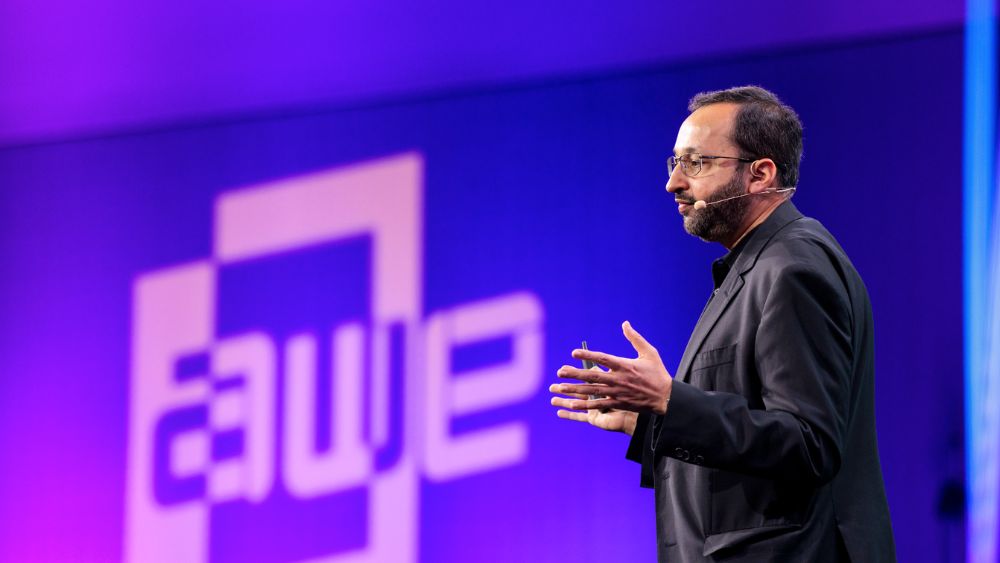
Juston Payne: Senior Director, Product Management, Google
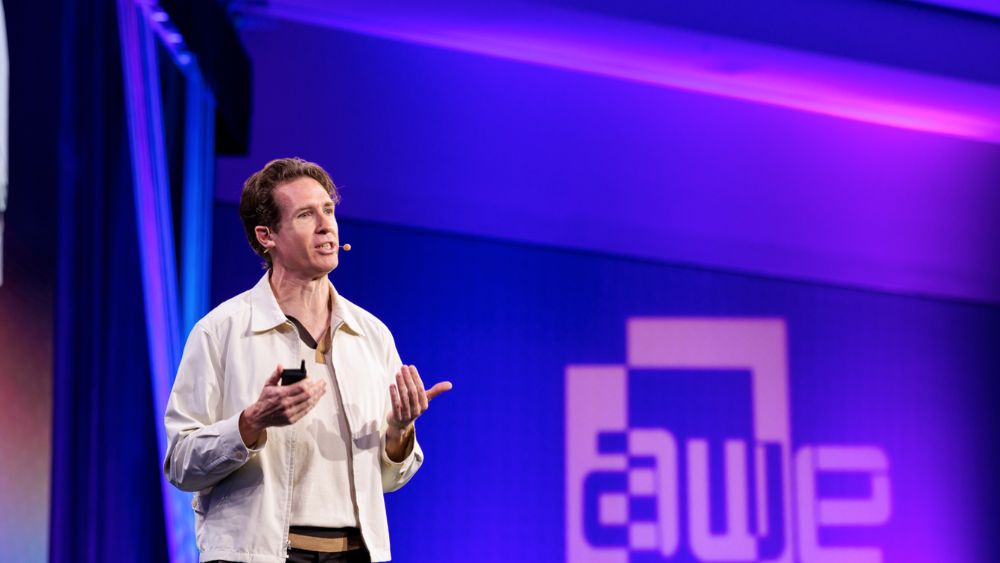
Hugo Swart: Senior Director, AndroidXR Ecosystem, Google
Key Takeaways & Analysis
- Google's vision for XR is to give people tools to unlock value and experiences in their lives.
- This means making people more capable in the moment, without taking them out of the moment.
- This aligns with Google's mission to organize the world's information and make it accessible.
- The "make it accessible" part is especially relevant for XR because information can live directly in your line of sight.
- XR can't do that alone. AI is arriving at exactly the right time to unlock these capabilities.
- For example, Gemini can see what you see and hear what you hear to live alongside you.
- The result is a well-informed, personalized assistant for everything from navigation to shopping.
- All of the above is built into Android XR, while the platform aims to unify today's fragmented XR landscape.
- That fragmentation spans multiple form factors—from smart glasses to mixed reality headsets.
- Google intends to address that fragmentation by creating unified standards across the ecosystem.
- According to Juston Payne, Android XR is built around three pillars: Content, Convergence, and Continuity.
- Content: XR devices are only as valuable as their apps and experiences, so Android XR simplifies development.
- Convergence: Devices will continue to evolve and converge, while Android XR supports both current and future form factors.
- Continuity: Shared UX standards and interoperability will help different devices work together seamlessly.
- Altogether, Android XR is designed to support every XR device category as the industry gradually converges toward a single, ultimate computing platform.
For more context and depth, watch the full session below.

Want more XR insights and multimedia? ARtillery Intelligence offers an indexed and searchable library of XR intelligence known as ARtillery Pro. Learn more here.