15 Oct 2026
|
Mike Boland
AWE Talks: When and How will AI Glasses Reach Ubiquity
AWE USA 2026
Welcome back to AWE Talks, our series that revisits the best AWE conference sessions. With AWE USA recently concluded, there's a fresh batch of stage footage to keep us occupied for weeks.
We continue the action and insights this week with the coming age of AI glasses. When will it come, what will accelerate it, and what are the targets that industry players have to hit?
See the summarized takeaways below, along with the full session video. Stay tuned for more video highlights each week and check out the full library of conference sessions on AWE's YouTube Channel.
Speakers
Courtney Harding, Friends with Holograms
Key Takeaways & Analysis
- Though AI glasses have ample momentum, questions still loom, such as when they'll be mainstream
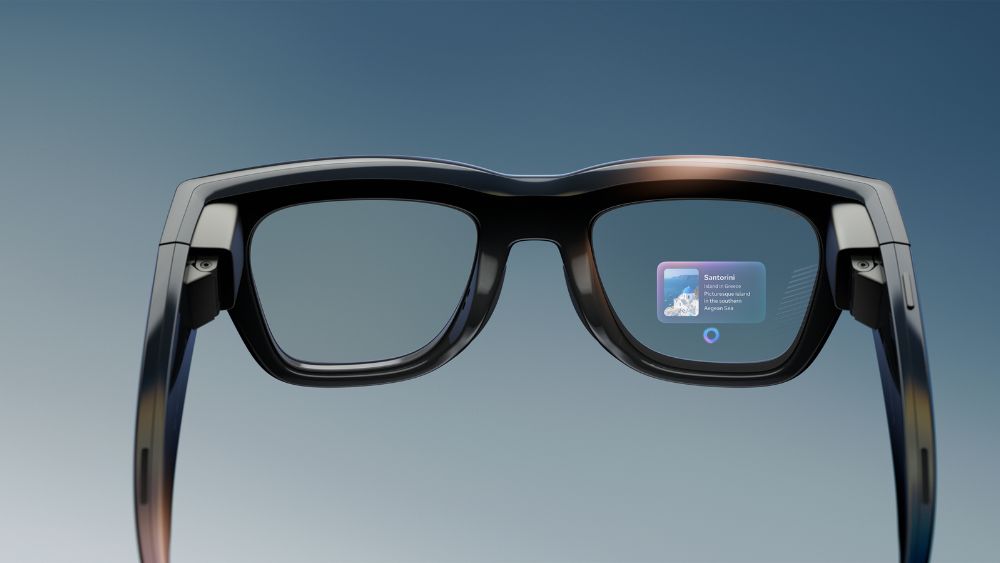
- This includes display and non-display AI glasses, the latter seeing more popularity today.
- According to Courtney Harding, we're likely about ten years from the industry's tipping point.
- But more important than the timeline are the principles and best practices that will get us there.
- Among other design principles, she points to three defining factors that will accelerate AI glasses.
- The first is intuitive and safe UX that engenders utility-driven and ambient computing
- Second is universal access so that availability and connectivity are open to all.
- Third is priority towards digital wellbeing and the ability to unplug for balance and mental health.
- Past attempts at smart glasses didn't get the formula right, such as Google Glass and North Focals.
- But we may be on the right path now, given validated demand signals from Meta and others.
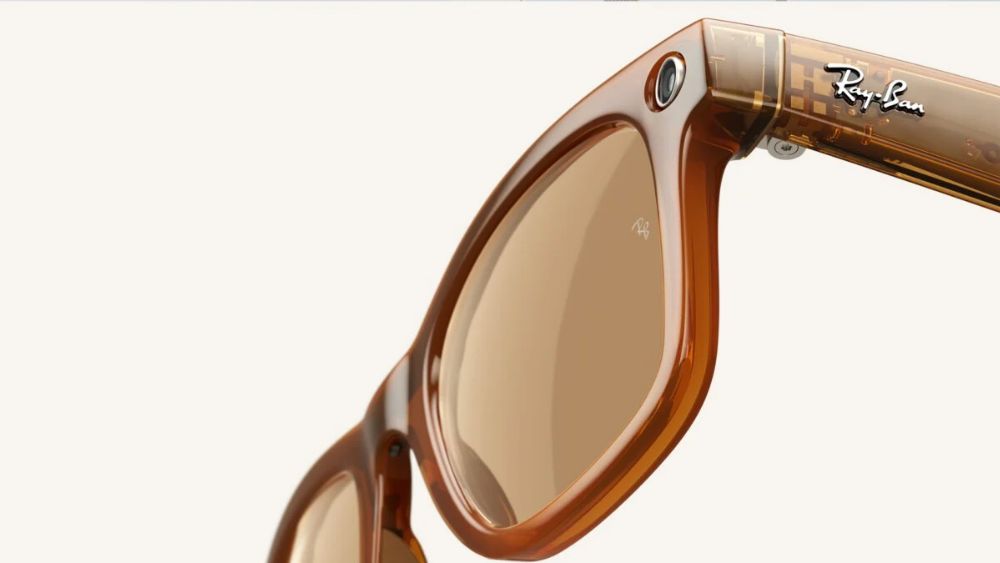
- For the first time, we've reached tens of millions of unit sales, given Ray-Ban Meta traction.
- But beyond the right formula for hardware design and wearability, software is a critical factor.
- In other words, what will be the killer apps for smart glasses, or at least guiding principles.
- There, Harding points to several factors that should be top of mind for smart glasses proponents.
- For example, interactions should be ambient and intelligent rather than interruptive.
- The focus should be on utilities, such as navigation, world-annotation, and social awareness
- UI should be intuitive, such as voice and even neural inputs for a less-is-more UX approach.
- Output should be context-aware, including knowing when and what notifications are optimal.
- Interactions also need to be snappy so that they feel natural and conversational.
- Bottom line: line-of-sight AI assistance should enhance the world and not replace it
- But beyond hardware and software, we also need infrastructure to underpin it all.
- When looking at a ten-year horizon, that's a lot of moving parts that need to align.
- These and other factors that emerge will be the name of the game over that 10-year arc.

Want more XR insights and multimedia? ARtillery Intelligence offers an indexed and searchable library of XR intelligence known as ARtillery Pro. Learn more here.