16 Apr 2026
|
Mike Boland
AWE Talks: Niantic Enters its Third Act
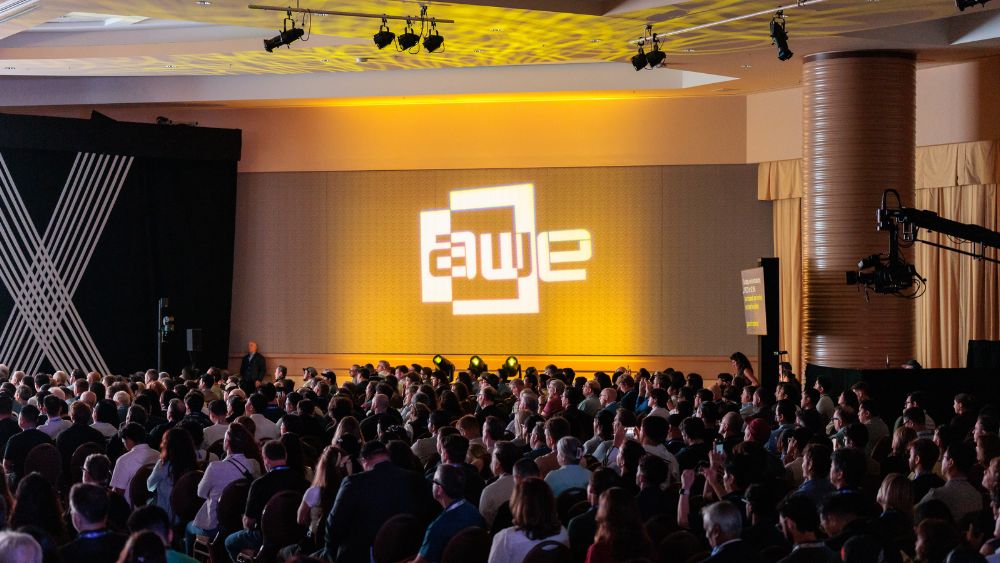
Welcome back to AWE Talks, our series that revisits the best AWE conference sessions. With AWE EU 2025 concluded, we have a fresh batch of session footage to sink our teeth into for weeks to come.
We continue the action this week with a look at Niantic's evolutions in physical AI. Powering large geospatial models for XR applications, the company has come a long way since Pokémon Go and Ingress. Where's it headed next?
See the summarized takeaways below, along with the full session video. Stay tuned for more video highlights each week and check out the full library of conference sessions on AWE’s YouTube Channel.
Speakers
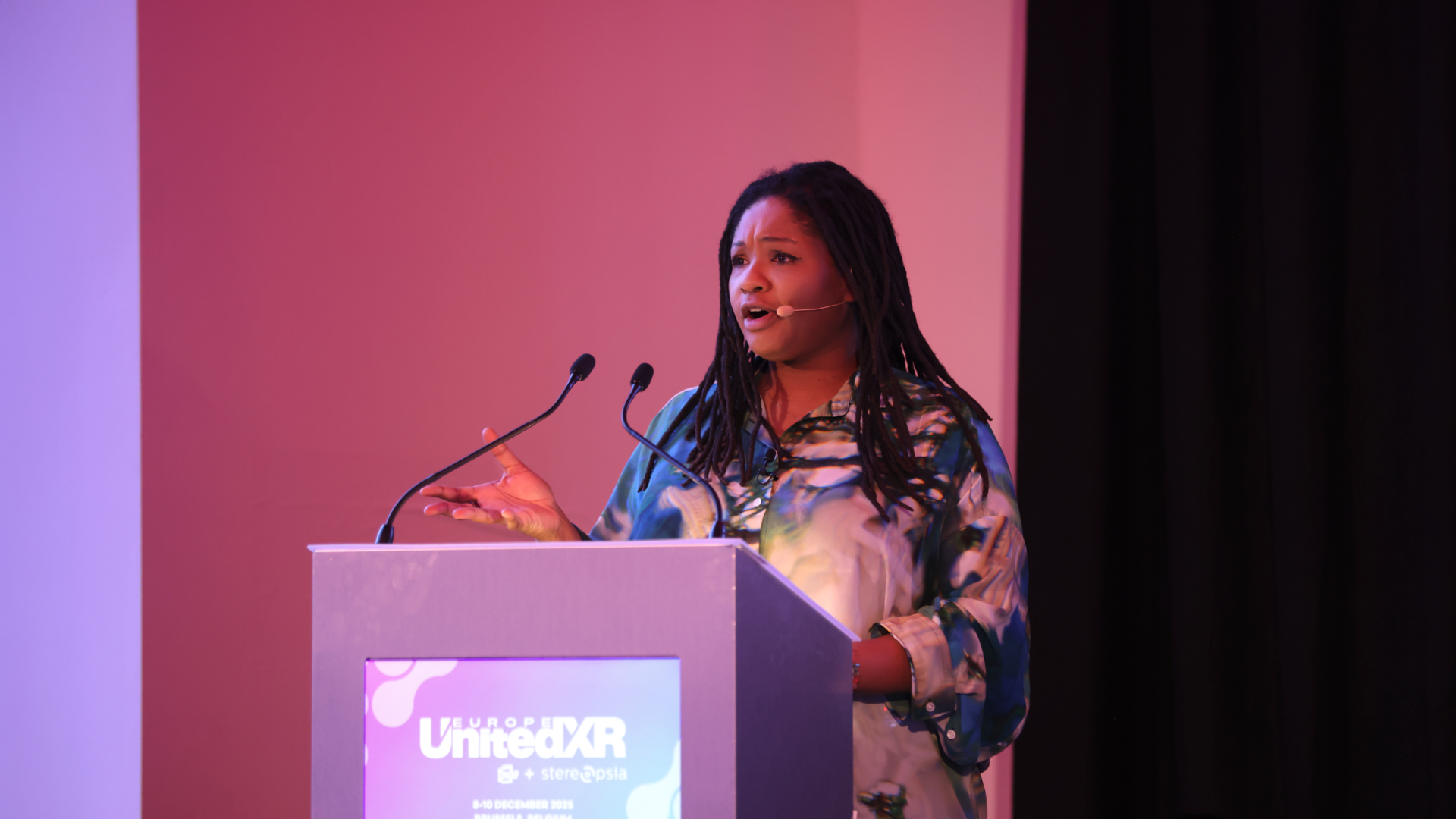
Ebona Eastmond-Henry: Niantic Spatial
Key Takeaways & Analysis
– Since Niantic sold its games business to Scopeley, it has focused on spatial mapping.
– This takes the spatial data it has collected for years and builds geospatial models.
– Think of this like large language models on the web, but for AI in the physical world.
– Niantic calls this a "living model of the world that people and machines can talk to."
– This puts Niantic's efforts in a promising and valuable subsegment: physical AI.
– Moreover, this represents the third act of Niantic's lifecycle.
– The first act was to put the world on a screen, due to its origins in Google Earth (Keyhole)
– The second act was to use that data to power games like Pokémon Go and Ingress.
– Now comes its third act, turning the world into a new medium using physical AI.
– It's well on its way with 50M networks, 150 trillion parameters, and 1.5M VPS locations.
– A core part of this Act-3 mission is its large geospatial models (LSGs), as noted.
– These LSGs focus on three core functions, and others that continue to develop.
– Reconstruction: Creating high-definition 3D models of physical spaces as a baseline.
– Localization: After scanning the world, you need to locate and orient within it.
– Understanding: A greater level of context and meaning around objects & locations.
– Together, these functions can power a range of consumer and enterprise use cases.
– Theme parks can activate location-relevant AR experiences throughout their grounds.
– Enterprises can develop finely-tuned AR experiences for simulation and training.
– Niantic, and the field of physical AI, is just getting started to make the real world smarter.
For more color and depth, see the full session below...

Want more XR insights and multimedia? ARtillery Intelligence offers an indexed and searchable library of XR intelligence known as ARtillery Pro. See more here.