18 Dec 2025
|
Mike Boland
AWE Talks: Has XR Gone Mainstream?
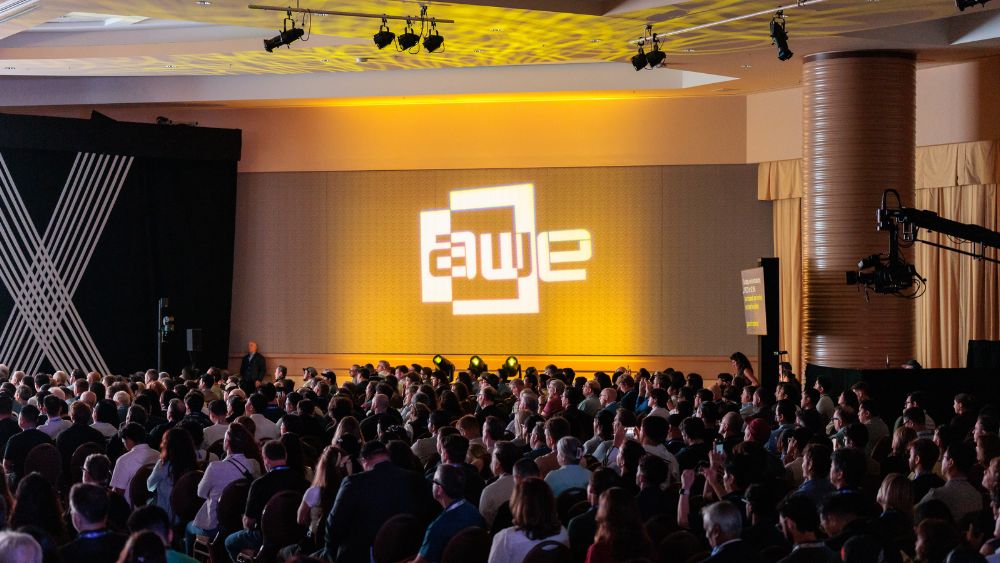
Welcome back to AWE Talks, our series that revisits the best AWE conference sessions. With AWE EU 2025 concluded, we have a fresh batch of session footage to sink our teeth into for weeks to come.
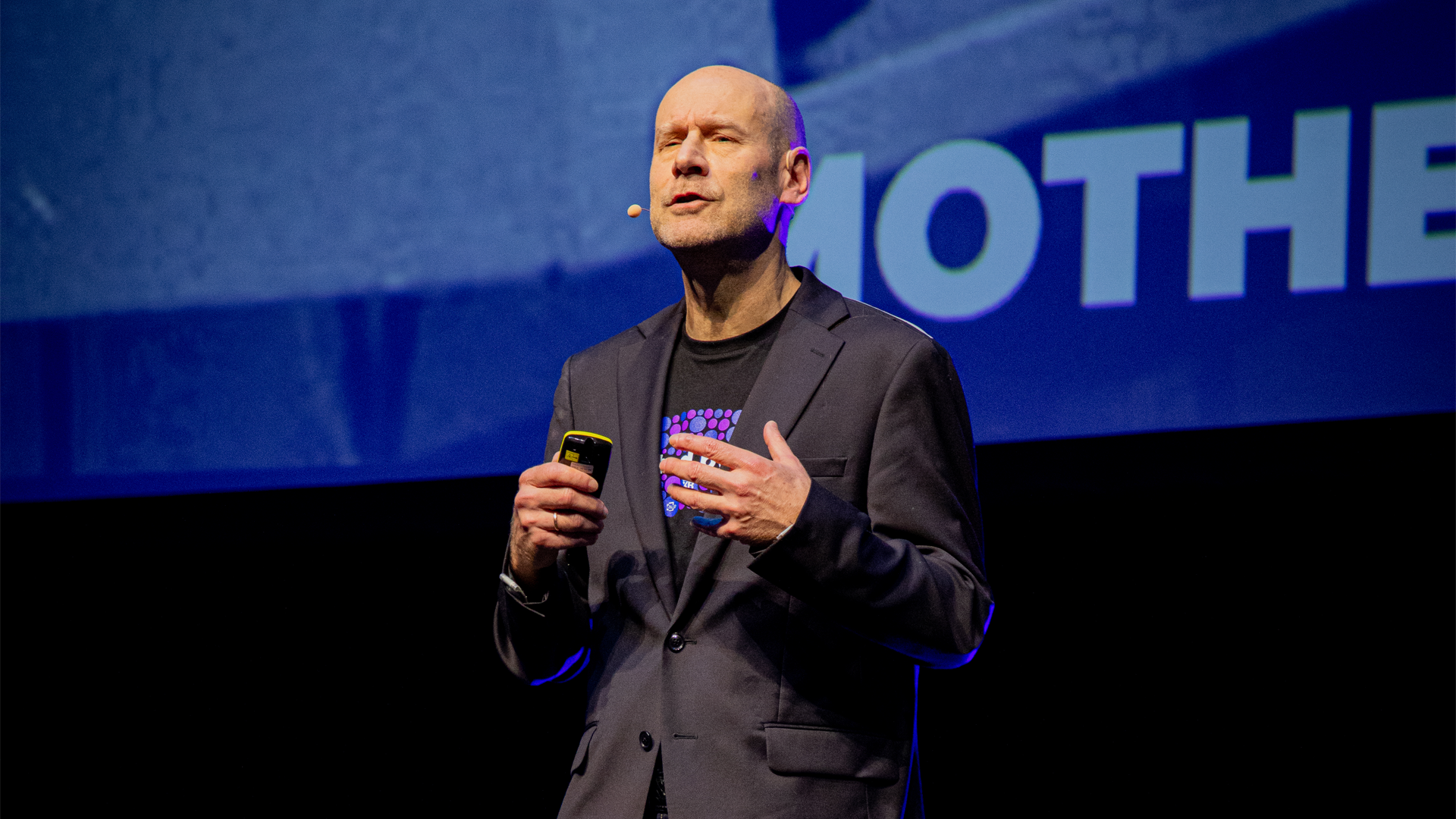
We kick off this latest chapter of AWE Talks – where else – with Ori Inbar's signature conference welcome. With a mix of insight and humor, his address serves as a sort of XR state of the union. What's his latest view?
See the summarized takeaways below, along with the full session video. Stay tuned for more video highlights each week and check out the full library of conference sessions on AWE’s YouTube Channel.
Speakers
Ori Inbar, AWE
Key Takeaways & Analysis
– A burning question in the XR world is where the industry sits in its lifecycle.
– Is it still in early adoption phases? adolescence? maturity? dare we ask... mainstream?
– Though XR veterans cringe at it always being around the corner, Inbar makes a strong case.
– XR collectively is $29 billion today, including hardware, software, and supporting tech.
– That’s about the size of the film industry, and growing faster than GDP.
– A16Z says that XR is the most underrated tech market today.
– Meanwhile additional confidence flows from XR's latest force multiplier: AI.
– Though there's a hot take that AI steals XR's thunder, in reality it will elevate it.
– It's true that AI sucks all the air (and funding) out of the room, but it will have net benefit.
– Among other things, it makes XR more capable and robust throughout the stack.
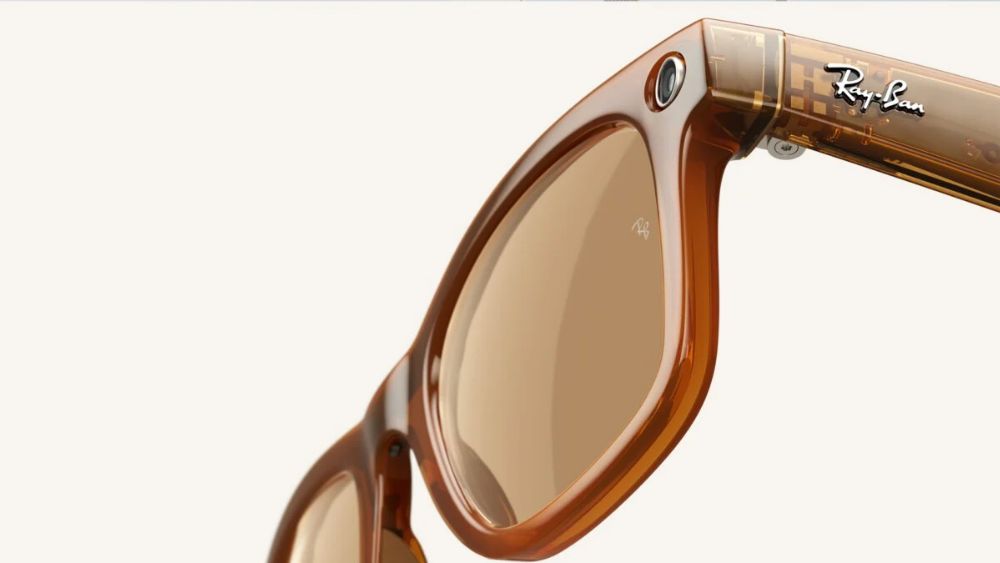
– For example, AI can be largely attributed for Ray-Ban Meta's (RBMS) 5 million+ lifetime sales.
– But AI isn't just fueling XR... the inverse is true as XR can elevate AI.
– In other words, AI so far is all about training itself by reading the web .
– But its true opportunity is to see, sense and scan the world, A.K.A, physical AI.
– XR will help it do that as faceworn wearables provide the perfect vantage point for world models.
– This scaled up world-model training hinges on how many people are actually using XR devices.
– The best way to visualize that is to segment device classes based on their adoption levels.
– Mobile AR and VR are already mainstream, defined as 25-50% adoption.
– Then there's emerging-popularity devices like non-display AI smart glasses (e.g., RBMS).
– Mixed reality devices are also in this category, including Quest 3 and Apple Vision Pro.
– Following that are niche markets which are early but promising, such as Realwear and Vuzix.
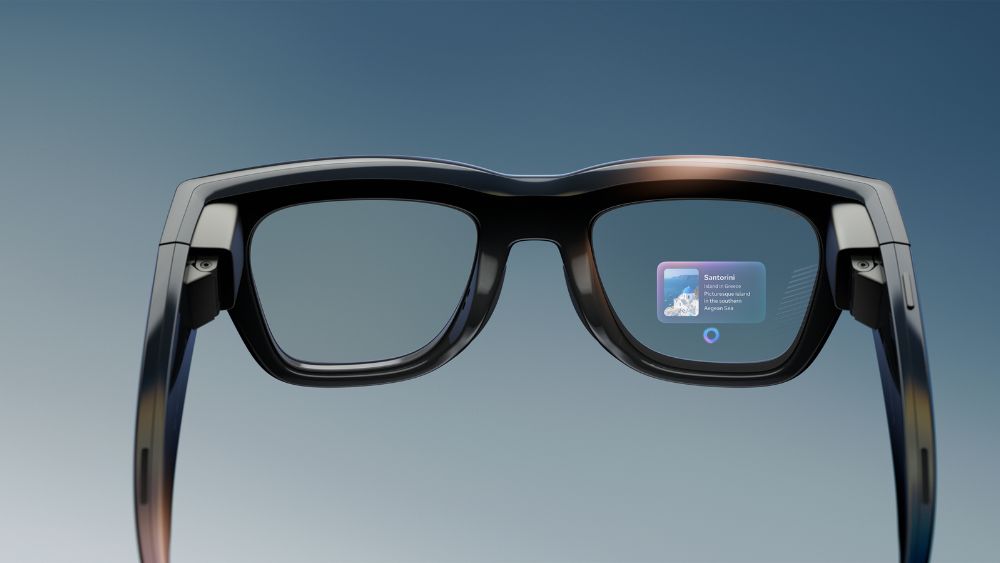
– Then we have the early adoption category with full-featured AR glasses like Snap Specs.
– Lastly, the prototype category contains the most futuristic hardware, including Meta Orion.
– All these device classes will continue to ratchet up, but some have already reached mainstream.
– 2026 will be exciting for all the above, as new hardware hits the market from several angles.
For more color and depth, see the full session below...

Want more XR insights and multimedia? ARtillery Intelligence offers an indexed and searchable library of XR intelligence known as ARtillery Pro. See more here.