21 Aug 2025
|
Mike Boland
AWE Talks: Entering the Smart Glasses Era
AWE USA 2025
Welcome back to AWE Talks, our series that revisits the best AWE conference sessions. With AWE USA 2025 concluded, we have a fresh batch of session footage to sink our teeth into for weeks to come.
We continue the action this week with a panel of tech giants that each have a vested interest – and executional prowess – with smart glasses. what defines the category today, and where is it headed?
See the summarized takeaways below, along with the full session video. Stay tuned for more video highlights each week and check out the full library of conference sessions on AWE’s YouTube Channel.
Speakers
Jason McGuigan, Lenovo
Kelly Ingham, Meta
Ralph Jodice, XREAL
Tim Bajarin, Creative Strategies
Speakers
Jason McGuigan, Lenovo
Kelly Ingham, Meta
Ralph Jodice, XREAL
Tim Bajarin, Creative Strategies
Key Takeaways & Analysis
– After years of trying, the XR world has finally cracked the code on mass adoption.
– That formula involves low-tech and low-immersion approaches, a la AI smartglasses.
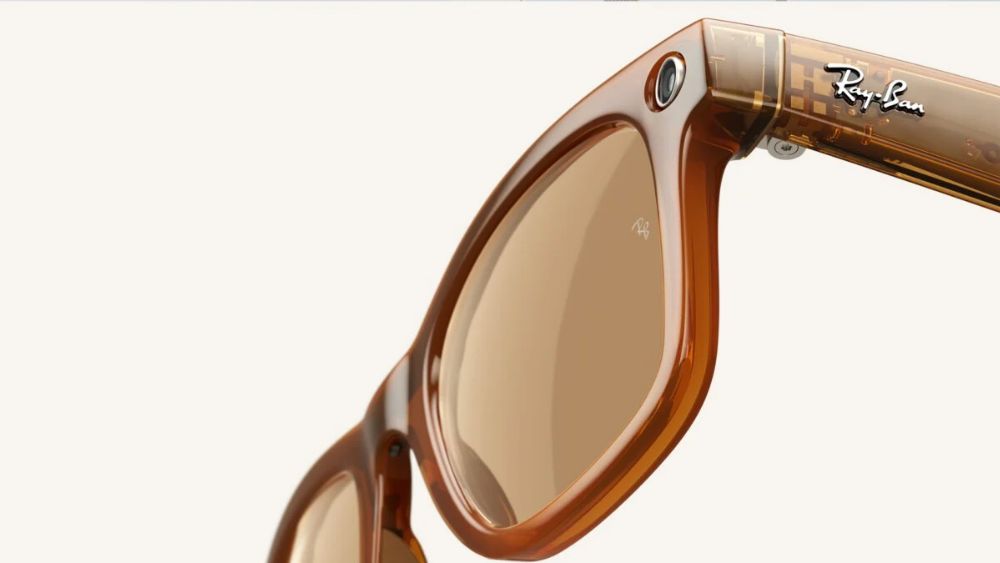
– The market leader is currently Ray-Ban Meta Smartglasses (RBMS), with 2 million sold.
– Though there's a long road to ubiquity, this lifetime sales total is an inflection point for XR.
– So what are the biggest lessons from smart glasses, and RBMS in particular?
– First is the factor teased above: they're low-tech, affordable, and stylish.
– This will be the starting point to acclimate consumers, who will evolve their tastes over time.
– But it has to be a gradual approach, rather than jumping right to advanced AR, a la Magic Leap.
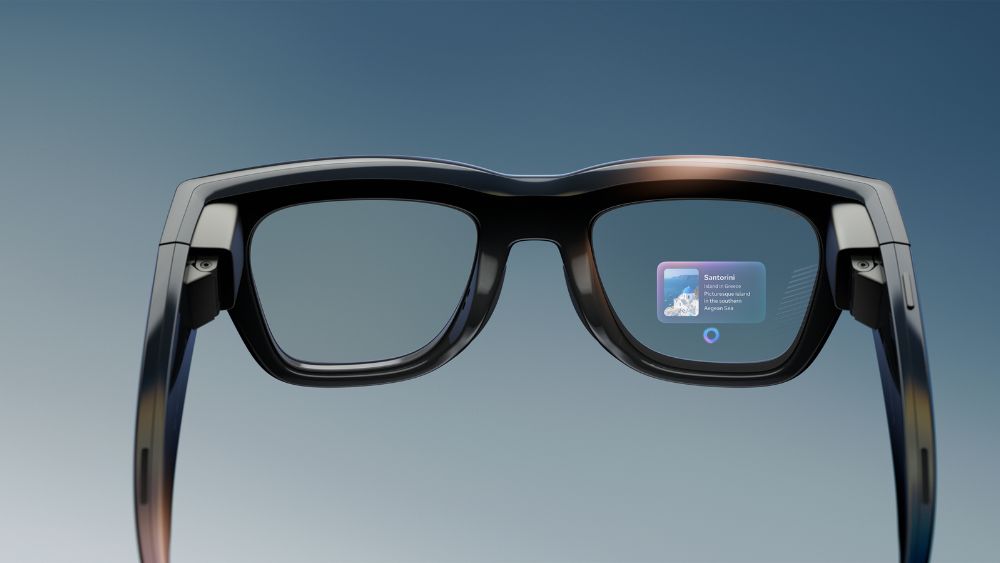
– Today, that means RBMS, evolving towards simple displays (Hypernova), then full AR (Orion).
– That progression will take us into the 2030s, and we should manage expectations accordingly.
– Meanwhile, the simplest end of that spectrum (RBMS) has been enabled and amplified by AI.
– Smart functions such as multimodal AI compensate for the lack of a visually-rich UX.
– This non-visual AI value-proposition is a key piece of the puzzle in the above evolutionary path.
– Smart glasses are meanwhile the optimal vessel for AI as they put the technology at eye level.
– Meanwhile, Meta's progression with these form factors isn't the only path... There will be many.
– For example, display glasses from Xreal and others tap into demand for private virtual screens.
– This is popular with gamers, with headroom to grow into a variety of entertainment use cases.
– Productivity use cases could also be popular for display glasses, including virtual workstations.
– The bottom line: starting simple and building towards advanced AR is the new winning formula.
– Though that pushes full-featured AR back years, it's a more realistic commercial path for XR.
– That path won't just be a means to an end, but there will be compelling products along the way.
– RBMS, Xreal, and devices we'll see soon from the Android XR world are testament to that...
For more color and depth, see the full session below...

Want more XR insights and multimedia? ARtillery Intelligence offers an indexed and searchable library of XR intelligence known as ARtillery Pro. See more here.