5 Mar 2026
|
Mike Boland
AWE Talks: Paving the Way For Wearable AI
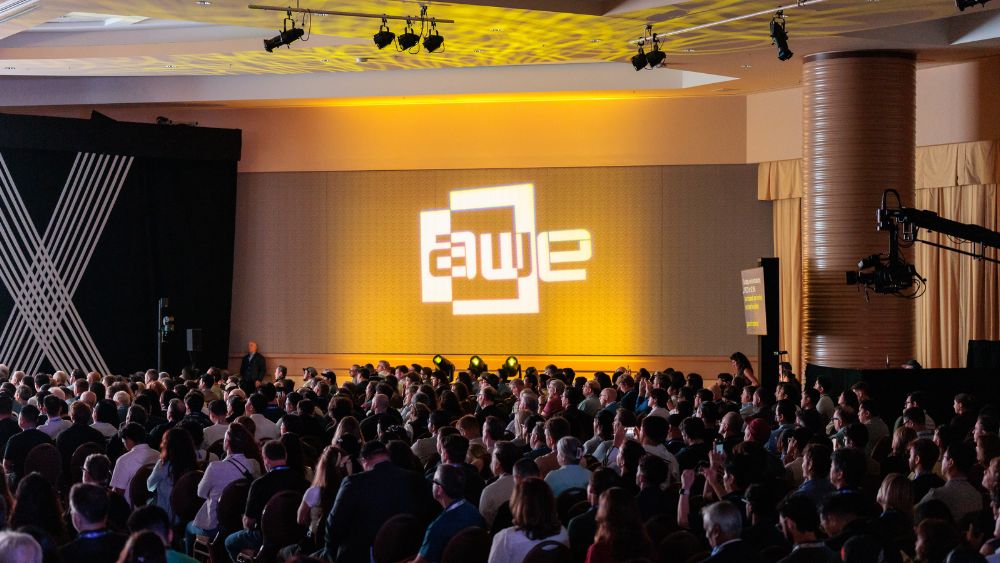
Welcome back to AWE Talks, our series that revisits the best AWE conference sessions. With AWE EU and Asia 2026 recently concluded, we have a fresh batch of session footage to sink our teeth into for weeks to come.
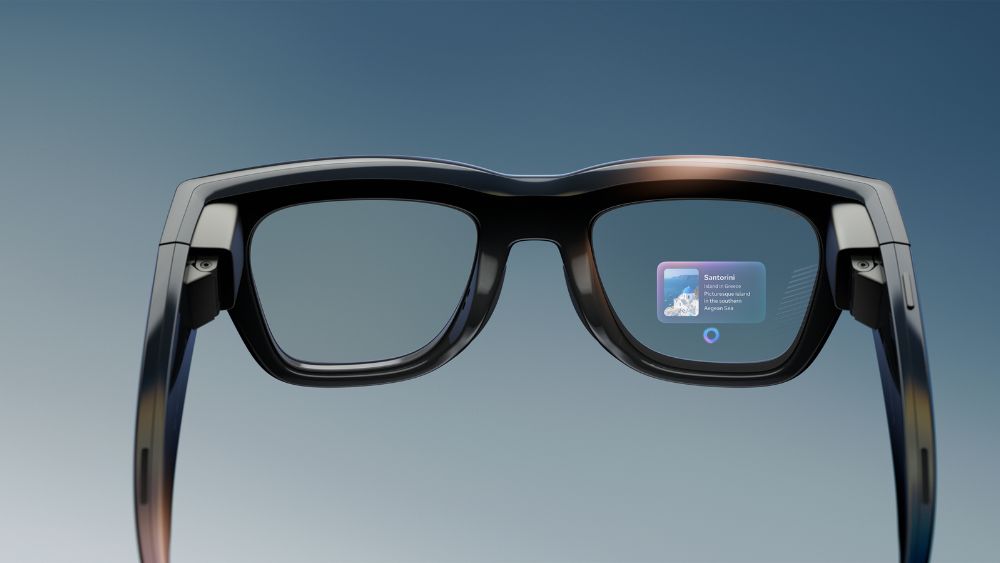
We continue our AWE EU coverage with a look at the rise of AI wearables. What are their biggest value points, and how can they be developed in ways that are humanistic and privacy-sensitive? Meta breaks it down.
See the summarized takeaways below, along with the full session video. Stay tuned for more video highlights each week and check out the full library of conference sessions on AWE’s YouTube Channel.
Speakers
Ellysse Dick El-Shrafi, Meta's Reality Labs
Key Takeaways & Analysis
– As wearables and AI continue to merge, new value and potential are being created.
– For example, visual augmentation isn't the only appeal anymore. It's all about utility.
– That includes everything from multimodal AI to ambient smart assistants and life logging.
– All these things are more valuable than previous device generations' visual-centric AR.
– They also unlock one of the hottest emerging areas of AI: physical AI.
– This is all about extending AI's benefits from the confines of the web to the physical world.
– And an eye-level perspective is the right way to unlock physical AI in human-centric ways.
– But these use cases and capabilities also bring some potential conflicts and challenges.
– For example, all the above moves from event-based capture to contextual processing.
– In other words, smart glasses won't just take pictures and video but ingest data persistently.
– That's good in terms of supporting intelligent physical-AI companions, but bad in other ways.
– For example, it brings security and safety concerns in terms of always-on sensing.
– Even though that sensing is mostly machine-readable, not human-readable, it's problematic.
– People get uncomfortable with this notion, even if they're not being filmed in a classic sense.
– Some of these concerns will alleviate over time, just as they have with smartphones.
– But it still requires proactive action on the part of tech companies to create a softer landing.
– This can happen through consumer education, collaborative design, and industry norms.
– The education piece includes making consumers comfortable via knowledge & acclimation.
– The design component involves building devices in thoughtful ways that respect privacy.
– And industry norms include self-regulated standards to keep AI-wearables responsible.
– In all cases, we're in early stages of AI wearables, and much development is still to come.
For more color and depth, see the full session below...

Want more XR insights and multimedia? ARtillery Intelligence offers an indexed and searchable library of XR intelligence known as ARtillery Pro. See more here.
– As wearables and AI continue to merge, new value and potential are being created.
– For example, visual augmentation isn't the only appeal anymore. It's all about utility.
– That includes everything from multimodal AI to ambient smart assistants and life logging.
– All these things are more valuable than previous device generations' visual-centric AR.
– They also unlock one of the hottest emerging areas of AI: physical AI.
– This is all about extending AI's benefits from the confines of the web to the physical world.
– And an eye-level perspective is the right way to unlock physical AI in human-centric ways.
– But these use cases and capabilities also bring some potential conflicts and challenges.
– For example, all the above moves from event-based capture to contextual processing.
– In other words, smart glasses won't just take pictures and video but ingest data persistently.
– That's good in terms of supporting intelligent physical-AI companions, but bad in other ways.
– For example, it brings security and safety concerns in terms of always-on sensing.
– Even though that sensing is mostly machine-readable, not human-readable, it's problematic.
– People get uncomfortable with this notion, even if they're not being filmed in a classic sense.
– Some of these concerns will alleviate over time, just as they have with smartphones.
– But it still requires proactive action on the part of tech companies to create a softer landing.
– This can happen through consumer education, collaborative design, and industry norms.
– The education piece includes making consumers comfortable via knowledge & acclimation.
– The design component involves building devices in thoughtful ways that respect privacy.
– And industry norms include self-regulated standards to keep AI-wearables responsible.
– In all cases, we're in early stages of AI wearables, and much development is still to come.
For more color and depth, see the full session below...
Want more XR insights and multimedia? ARtillery Intelligence offers an indexed and searchable library of XR intelligence known as ARtillery Pro. See more here.