16 Oct 2025
|
Mike Boland
AWE Talks: The Rise of Reality Modding
AWE USA 2025
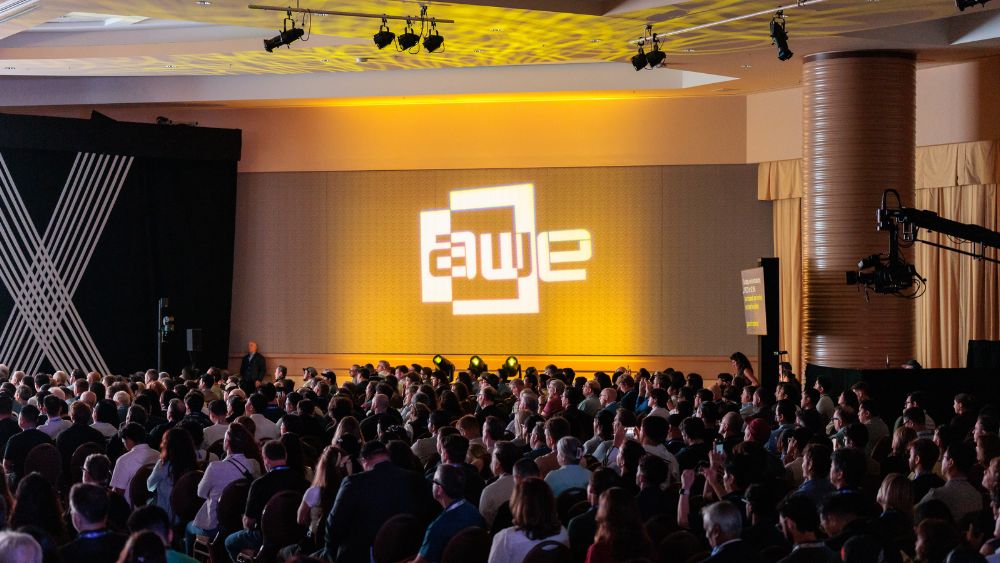
Welcome back to AWE Talks, our series that revisits the best AWE conference sessions. With AWE USA 2025 concluded, we have a fresh batch of session footage to sink our teeth into for weeks to come.
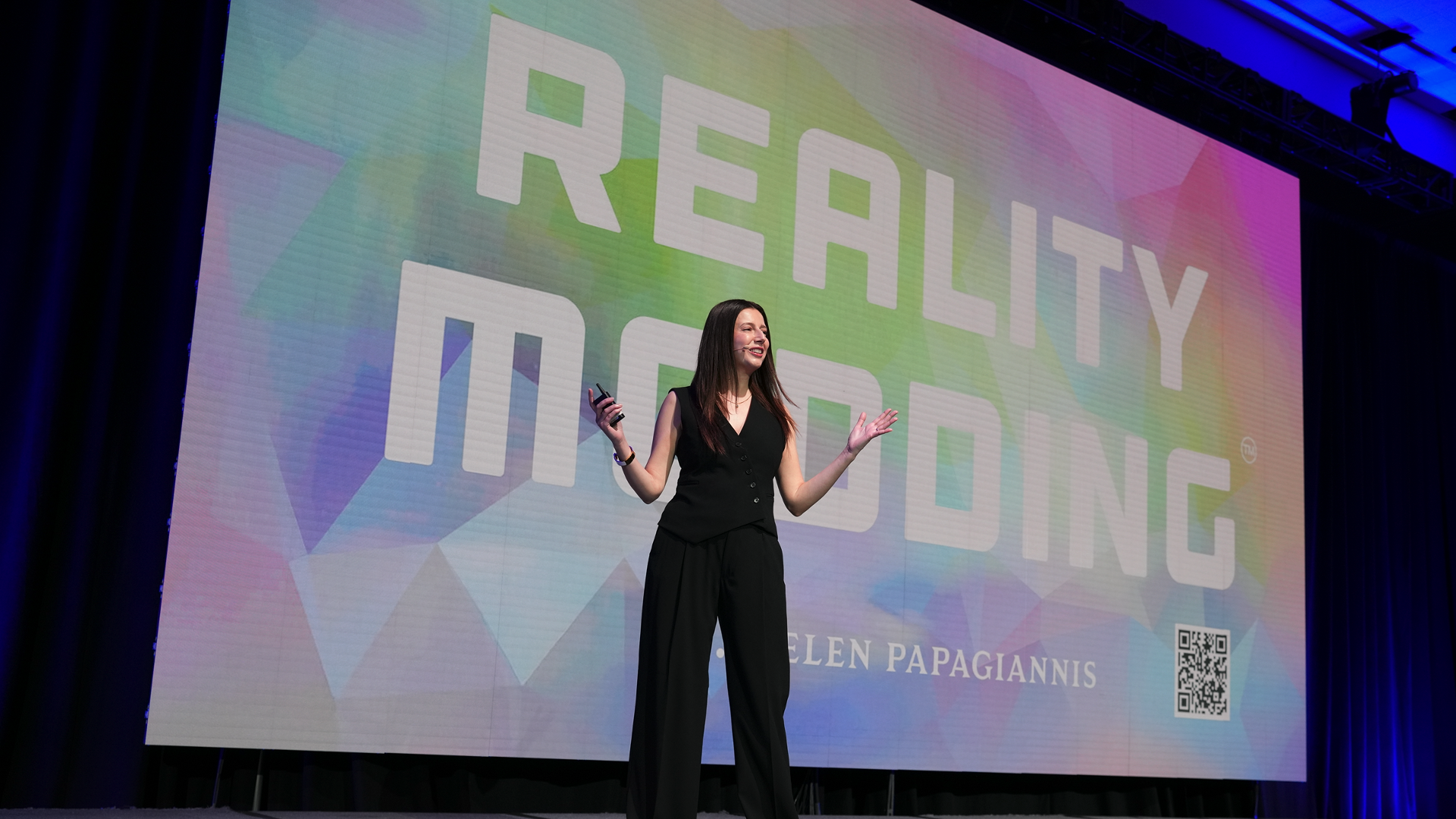
We continue the action this week with an AR OG. Pioneeer Helen Papagiannis brings her TED-Talk style to the AWE stage to introduce reality modding: a paradigm that will frame the next era of AR dev work.
See the summarized takeaways below, along with the full session video. Stay tuned for more video highlights each week and check out the full library of conference sessions on AWE’s YouTube Channel.
Speakers
Helen Papagiannis
Speakers
Helen Papagiannis
Key Takeaways & Analysis
– AR has come a long way since the first AWE in 2010, where Helen Papagiannis attended.
– She refers to that period fondly as the duct tape era of AR, given its rudimentary begnnnings.
– The spirit of those eary stages reverberate today, while the underlying tech has advanced.
– That raises the question of where we are now in AR's lifecycle, and we're we're headed next.
– Papagiannis posits that the next era of AR will be built around the principle of reality modding.
– This flips the script from a tool-based focus to a UX focus, where the tech gets out of the way.
– It's also rooted in another key principle: ambient computing, a.k.a., congnizant computing.
– The goal is UX that's fluid, adaptable and customizable, where reality is as editable as software.
– Among others, Apple is signaling this direction with things such as its liquid glass interface.
– This design language in iOS was inspired by Vision Pro in elegantly integrating with spaces.
– Other macro trends are supporting this shift towards ambient computing and toned-down tech.
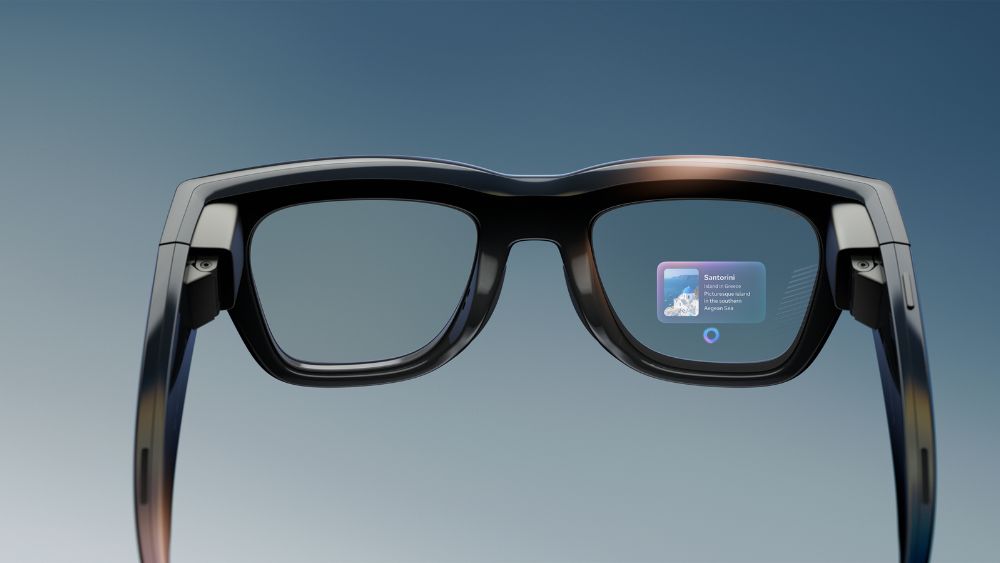
– For example, smartglasses are moving towards more elegantly-integrated augmentation.
– Doing this has the additional benefit of hardware that's more wearable and fashionable.
– This trend towards fashion-forward AR aligns with the goal for tech to get out of the way.
– This is no longer nerdy tech in the lab, says Papagiannis, which expands the AR market.
– Beyond the hardware vessel, the software is also evolving to support natural interactivity.
– For example, Snap Spectacles feature spatially-anchored objects for social collaboration.
– In the end, this will all reframe how AR creators work ... and how they'll be known.
"Gone are the days of us calling ourselves AR designers and AR developers," says Papagiannis, "We are now reality designers and reality developers."
– The spirit of those eary stages reverberate today, while the underlying tech has advanced.
– That raises the question of where we are now in AR's lifecycle, and we're we're headed next.
– Papagiannis posits that the next era of AR will be built around the principle of reality modding.
– This flips the script from a tool-based focus to a UX focus, where the tech gets out of the way.
– It's also rooted in another key principle: ambient computing, a.k.a., congnizant computing.
– The goal is UX that's fluid, adaptable and customizable, where reality is as editable as software.
– Among others, Apple is signaling this direction with things such as its liquid glass interface.
– This design language in iOS was inspired by Vision Pro in elegantly integrating with spaces.
– Other macro trends are supporting this shift towards ambient computing and toned-down tech.
– For example, smartglasses are moving towards more elegantly-integrated augmentation.
– Doing this has the additional benefit of hardware that's more wearable and fashionable.
– This trend towards fashion-forward AR aligns with the goal for tech to get out of the way.
– This is no longer nerdy tech in the lab, says Papagiannis, which expands the AR market.
– Beyond the hardware vessel, the software is also evolving to support natural interactivity.
– For example, Snap Spectacles feature spatially-anchored objects for social collaboration.
– In the end, this will all reframe how AR creators work ... and how they'll be known.
"Gone are the days of us calling ourselves AR designers and AR developers," says Papagiannis, "We are now reality designers and reality developers."
For more color and depth, see the full session below...

Want more XR insights and multimedia? ARtillery Intelligence offers an indexed and searchable library of XR intelligence known as ARtillery Pro. See more here.